The truth is that many working parents dread the summer-juggle, but there are ways employers can help. Angela Stalker, Head...


The truth is that many working parents dread the summer-juggle, but there are ways employers can help. Angela Stalker, Head...

The median basic pay award in the three months to the end of March dropped slightly to 4.8%, according to...
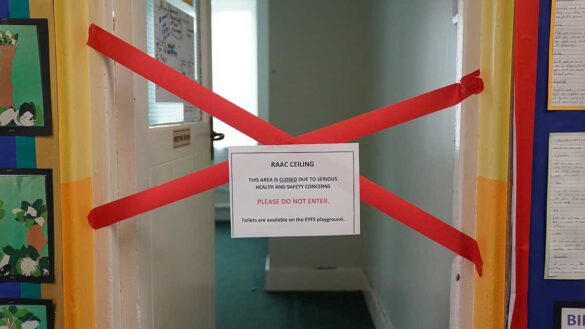
Hundreds of trade union reps are making building safety inspections this week looking for issues including RAAC, asbestos and fire hazards.

Up to £6,000 will be available for teachers working in key STEM subjects as part of drive to recruit and retain the best staff.
This week’s round-up of some of the ‘lighter’ observations floating around HR considers new findings on management and productivity through...
The truth is that many working parents dread the summer-juggle, but there are ways employers can help. Angela Stalker, Head...
Younger workers’ office attendance is on the rise as companies offer perks such as free pizzas and drinks.
Employers are being urged by KPMG to recruit ex-offenders as part of national campaign to reduce reoffending and grow the economy.
The 2024 Personnel Today Awards are now open for entries, as the annual celebration of the very best in HR and L&D gets underway.
Employers are being urged by KPMG to recruit ex-offenders as part of national campaign to reduce reoffending and grow the economy.
Christian actress Seyi Omooba to take case to Court of Appeal following EAT decision that she had not been religiously discriminated against.
A National Audit Office report has revealed that testing the free childcare hours rollout could have avoided some risks.
Italy has joined the ranks of countries serving digital nomad visas. How attractive are such offers to British remote workers?
Doctors' training hours could be cut in a review, according to a report in the Guardian.
We provide details of where and when strikes are happening, as the UK battles with the ongoing period of industrial unrest.