We provide details of where and when strikes are happening, as the UK battles with the ongoing period of industrial unrest.
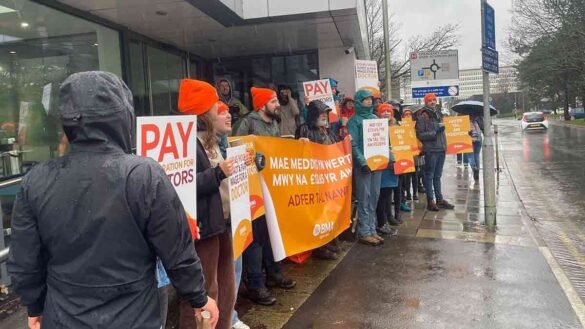

We provide details of where and when strikes are happening, as the UK battles with the ongoing period of industrial unrest.
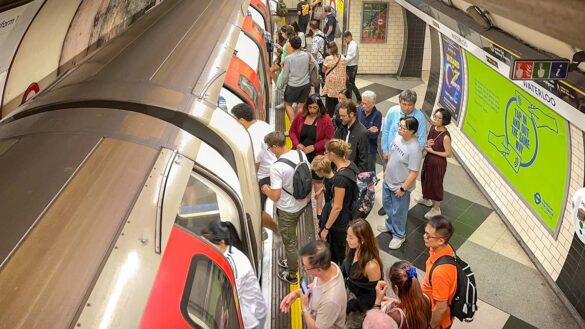
The government has quietly scrapped a scheme designed to help disabled people and vulnerable individuals find jobs

Doctors' training hours could be cut in a review, according to a report in the Guardian.

What could Usdaw's Supreme Court case against Tesco mean for 'retained pay' in fire and rehire situations?
This week’s round-up of some of the ‘lighter’ observations floating around HR considers new findings on management and productivity through...
Throughout the workday, many individuals find their arms and neck becoming stiff. This sensation may seem routine, yet it serves...
Most graduates feel office attendance is expected by their employers, according to new research from Prospects at Jisc.
Low pay is putting job seekers off green jobs or those that have a positive impact on society, research by Indeed has found.
The 2024 Personnel Today Awards are now open for entries, as the annual celebration of the very best in HR and L&D gets underway.
Dr Holly Andrews examines how employers should create an inclusive workplace for an unseen minority of childless employees.
Christian actress Seyi Omooba to take case to Court of Appeal following EAT decision that she had not been religiously discriminated against.
P&O wages: Ferry operator will comply with new French regulations requiring it to pay £9.96 an hour minimum to workers.
Italy has joined the ranks of countries serving digital nomad visas. How attractive are such offers to British remote workers?
Doctors' training hours could be cut in a review, according to a report in the Guardian.
Train driver members of Aslef to strike and withdraw overtime at 16 train operating companies in May as two-year pay dispute continues.