We provide details of where and when strikes are happening, as the UK battles with the ongoing period of industrial unrest.
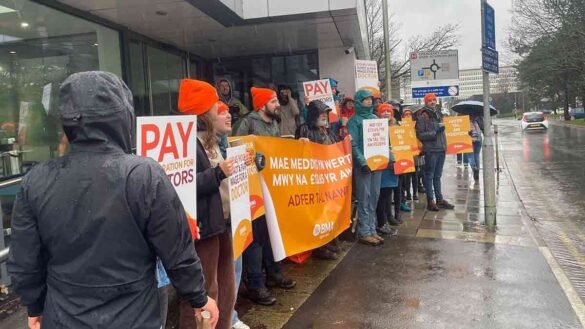

We provide details of where and when strikes are happening, as the UK battles with the ongoing period of industrial unrest.

With new legislation prompting a rise in flexible working requests, how can learning and development teams adapt?
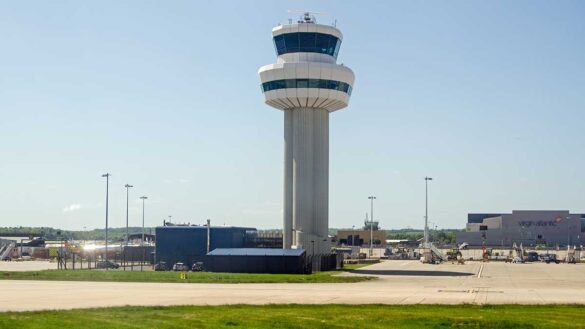
Chief executive of NATS tells transport committee that it's a “bonus” that air traffic control engineers can solve problems remotely.
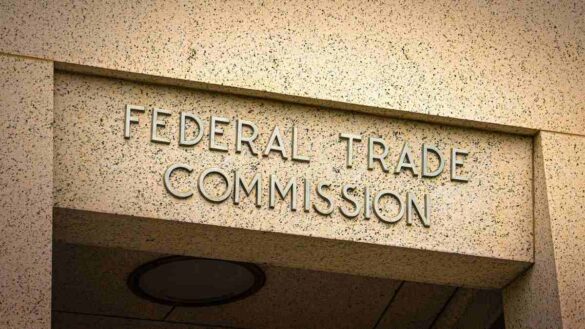
The US Federal Trade Commission has voted to adopt a ban on non-compete clauses that prevent workers from switching jobs within the same industry.
The dismissals stem from Google's investigation into protests held on 16 April, which included sit-ins at Google’s offices in New York City and Sunnyvale, California.
The truth is that many working parents dread the summer-juggle, but there are ways employers can help. Angela Stalker, Head...
With new legislation prompting a rise in flexible working requests, how can learning and development teams adapt?
Higher salary thresholds, part of new visa rules for overseas workers, were cited as the reason for the withdrawal of job offers.
The 2024 Personnel Today Awards are now open for entries, as the annual celebration of the very best in HR and L&D gets underway.
‘Back in the day’ is a ‘barbed and unwelcome’ expression if used to highlight an age gap between co-workers, and could amount to ‘unwanted conduct’.
Christian actress Seyi Omooba to take case to Court of Appeal following EAT decision that she had not been religiously discriminated against.
A National Audit Office report has revealed that testing the free childcare hours rollout could have avoided some risks.
Higher salary thresholds, part of new visa rules for overseas workers, were cited as the reason for the withdrawal of job offers.
With new legislation prompting a rise in flexible working requests, how can learning and development teams adapt?
We provide details of where and when strikes are happening, as the UK battles with the ongoing period of industrial unrest.